



How to Choose Between Soft and Firm Stress Balls for Anxiety Depending on Your Stress Level?


Life in 2026 moves at an incredible speed. Consequently, our bodies often hold onto tension without us even noticing. Many people turn to stress balls for anxiety to find a quick, portable release. However, not all squishy orbs are created equal. Have you ever grabbed a stress ball that felt too flimsy? Or perhaps one so hard it hurt your hand?
The secret to effective relief lies in matching resistance to your emotional state. Choosing the right firmness can be the difference between a calm mind and frustrated fingers. This guide explores the science of tactile feedback. We will help you navigate the world of soft and firm options. Your journey to a calmer day starts with the perfect squeeze.
The Science of Squeezing: Why Material Matters
Our hands contain thousands of sensitive nerve endings. These nerves connect directly to the brain’s emotional centers. When you squeeze a stress ball, you engage in a process called “progressive muscle relaxation.”
Specifically, your muscles contract under pressure and then fully let go. This physical release signals your nervous system to lower its guard. Furthermore, the tactile sensation provides a “sensory anchor.” This anchor pulls your mind away from racing thoughts and back to the present. Whether you choose foam, gel, or rubber, the resistance level determines the depth of this relaxation.
When to Reach for a Soft Stress Ball
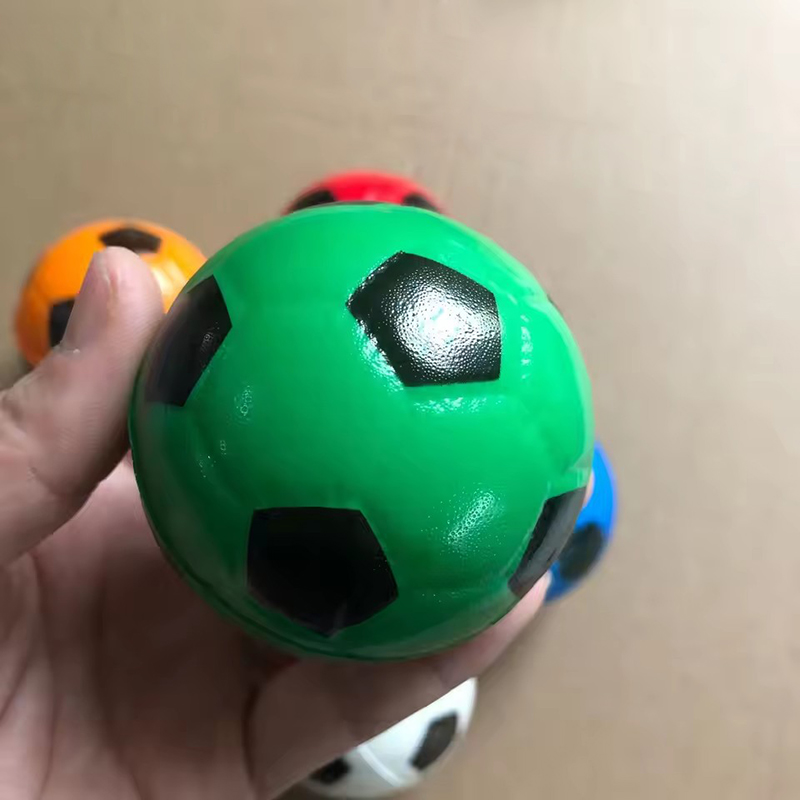
Soft stress balls are often made of slow-rise foam or liquid-filled gel. They offer little resistance and feel very “squishy” to the touch.
Ideal for High-Sensitivity Moments
Sometimes, anxiety makes you feel overstimulated or fragile. In these moments, a loud noise or a hard object can feel aggressive. Soft stress balls for anxiety provide gentle, soothing feedback. They allow for rhythmic, effortless movement. This helps quiet a “noisy” brain without adding more physical strain.
Best for Sensory Distraction
Soft balls are excellent for “fidgeting” during long meetings or study sessions. Because they require minimal effort, they don’t distract you from your task. Instead, they provide a background hum of comfort. They are also perfect for children or seniors with lower hand strength.
- Materials: Memory foam, soft silicone, or “squishies.”
- Best For: Overstimulation, panic attacks, and light fidgeting.
When a Firm Stress Ball is Your Best Ally
Firm stress balls are usually crafted from dense rubber or heavy-duty TPE. They require significant force to compress.
Targeting High-Intensity Frustration
Do you ever feel a “surge” of energy when you are stressed? This is the “fight or flight” response in action. During high-tension moments, a soft ball might feel like squeezing air. You need something to push back against. A firm stress balls for anxiety absorbs that aggressive energy. It forces your muscles to work harder, which leads to a more profound “release” once you let go.
Focus and Grounding
Firm resistance provides strong sensory input. This is vital for “grounding” yourself when you feel disconnected or dissociated. The heavy pressure reminds your brain exactly where your body is in space. Furthermore, firm balls are great for building hand strength over time.
- Materials: Solid rubber, dense foam, or weighted sand-filled balls.
- Best For: High anger, intense work pressure, and grounding techniques.
Matching Firmness to Your Current Stress Level
To choose the right tool, you must first identify your current emotional state. Use the guidelines below to find your match.
Level 1: The “Jittery” Mind (Low Stress)
You feel slightly distracted or bored. Your fingers need to move, but your heart isn’t racing.
- Recommendation: Soft foam or a “pop-it” style stress ball.
- Goal: Keep hands busy to improve focus.
Level 2: The “Overwhelmed” Professional (Medium Stress)
Your to-do list is too long. You feel a tightness in your chest or shoulders.
- Recommendation: Medium-density gel or a textured silicone ball.
- Goal: Provide a consistent rhythmic squeeze to regulate breathing.
Level 3: The “Volcano” Effect (High Stress)
You feel a physical need to hit something or scream. Your jaw is clenched tight.
- Recommendation: Heavy-duty, firm rubber stress ball.
- Goal: Exhaust the physical tension in your arms and hands.
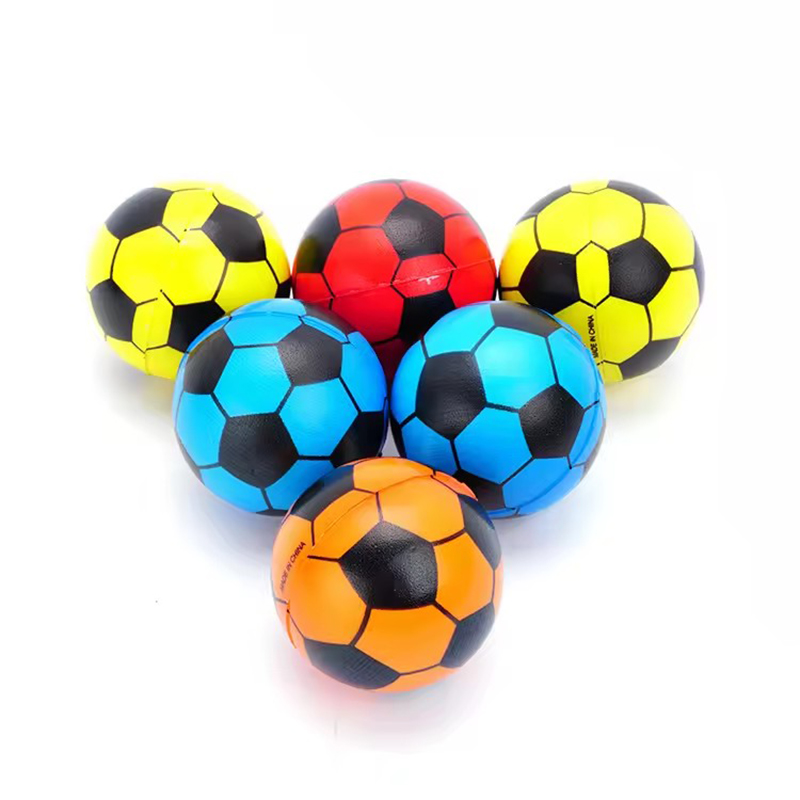
| Frequently Asked Questions About Stress Ball Firmness Can a stress ball be too firm? Yes, if you have arthritis or carpal tunnel, avoid ultra-firm balls. You should feel a challenge, but never sharp pain. Always listen to your joints. Are there “adjustable” stress balls? Some companies offer sets with three different colors. Each color represents a different level of firmness. This is the best way to handle fluctuating stress levels throughout the day. How long should I squeeze? Hold the squeeze for three to five seconds. Then, release for the same amount of time. Repeat this cycle ten times. This rhythm helps sync your heart rate with your movement. |
Finding Your Personal Sweet Spot
In summary, there is no “one size fits all” for stress balls for anxiety. The best choice depends entirely on how you feel in the moment. Soft balls offer a gentle hug for a weary mind. Firm balls provide a sturdy anchor for a stormy spirit.
By keeping both types at your desk, you stay prepared for any situation. Remember, the goal is to move the stress out of your body. Treat your hands to the right level of resistance today. Your mind will feel the difference almost immediately. Don’t wait for the next “meltdown” to find your perfect squeeze.